Tag: patient identification

Is that the Right Patient?

Today, we welcome a guest post from Iatric Systems.


Meaningful Use brings increased utilization of electronic records, providing instant access to patients’ medical information – which is a great thing. It also brings the heightened chance for error in patient identification and the subsequent disaster that creates. The ability to select the correct patient and verify their identity based on their prior visit medical record demographics from the health information system becomes more important than ever before. Misidentification at the point of entry creates major problems throughout the life of the patient’s account.  First and foremost is the contamination of the patient’s medical chart and the impact incorrect medical information could present to the patient. We could contend that cleaning up incorrect patient information was in some ways easier when everything was paper-based compared to what it will be with electronic records.

The HIPAA impact of sharing the incorrectly selected patient’s information with the wrong patient or patient’s family also looms on the horizon. What if the patient who the record really belongs to shows up for care during this event? If the error goes unnoticed, the backend ramifications include billing the wrong insurance company and incorrect data going out to multiple places resulting in more work to correct the error and rebill the correct payer. If the patient finds out you selected the wrong patient for their care episode, how does that impact their perception of the hospital and level of competent care they can expect?

Many factors impact the incorrect selection of a patient, including the HIS system, staff carelessness or patients providing incorrect information during the admitting process. A common error is the patient changing their last name since the last visit, thus creating a new MPI number that does not include the patient’s vital past medical history.

Another area of concern is medical identify theft. Over 14 million people have become victims of identity theft this year alone. Medical identify theft is the fastest growing aspect of identify theft. What ramifications can you expect if your hospital provides care to a patient who used a stolen medical identify for treatment? Both a contaminated medical record that may impact the care of both patients and a financial loss when the payor denies payment may result.

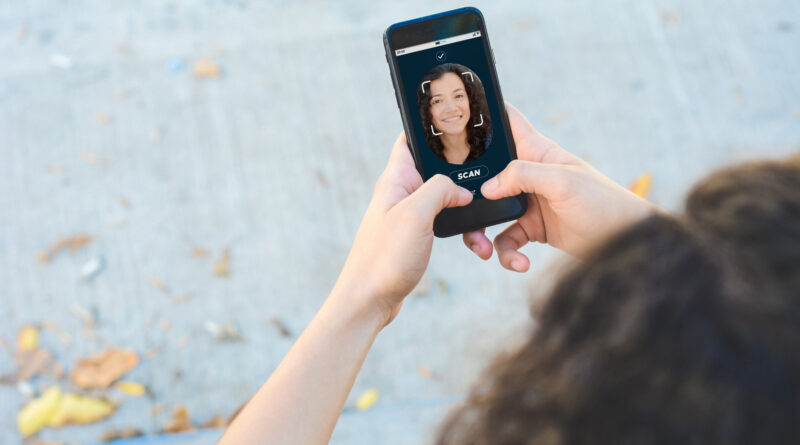
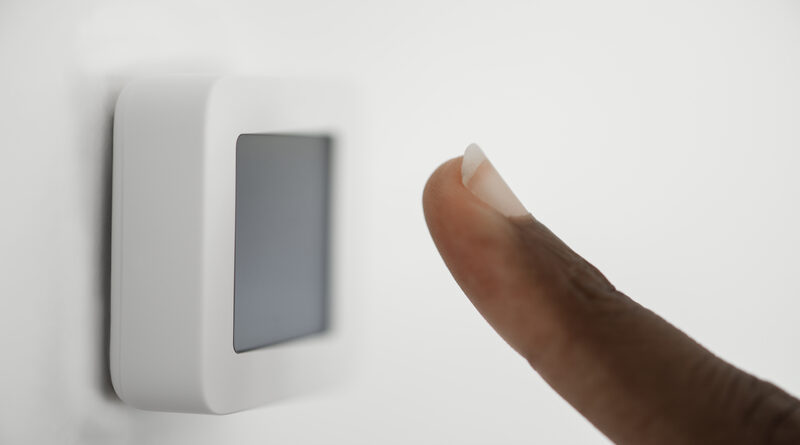
Never before has selecting the correct patient at registration been more important. Our current method of asking for a driver’s license to verify identity is no longer a guarantee. Hospitals need to look at new methods to make sure that the patient is correct. Biometrics is one possibility that I have felt is an effective solution for years. Patients, for the most part, show up in the hospital with a finger, palm or iris that could be used to validate the patient’s identify. Patients that arrive unconscious pose another level of concern.

What better community service could a hospital provide than assuring their patients that their identify will be protected by installing biometric technology? Biometric technology could also assist with the Red Flag regulation. Providing patients an easy way to establish identify by hosting health fairs to register their biometric identify in advance of care is both a community service and improves each patient’s medical safety.

Iatric Systems

Kay Jackson

Kay Jackson is Manager of Software Certification, Compliance and Financial at Iatric Systems. Iatric Systems provides solutions for Meaningful Use including a Meaningful Use Manager Dashboard, Public Health Interfaces, Patient Portal, CPOE, Patient Discharge instructions and Clinical Document Exchange.

You can follow Iatric Systems on Twitter: @IatricSystems
You can also find them on LinkedIn


Public Opinion on Biometric Technology Points to Wider Acceptance

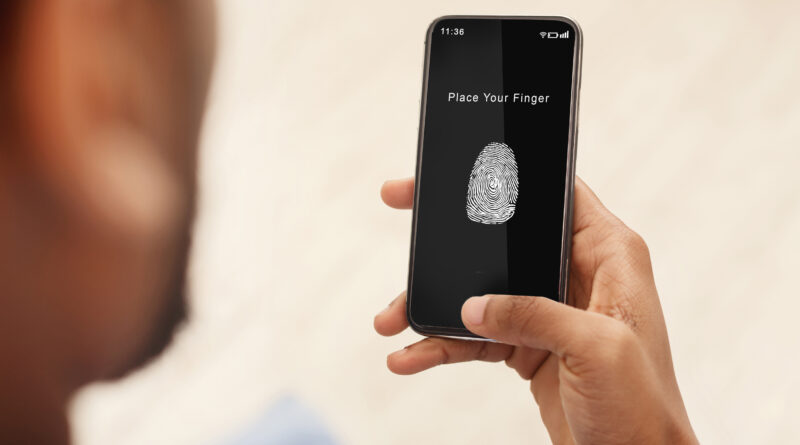
fingerprint biometric technology

Fingerprint Biometrics

A recent report released by Unisys Corporation revealed that over half of Americans surveyed are willing to offer biometric information to secure their identities. Airport checkpoints, banking transactions and government benefit distribution topped the list of services Americans identified as worthwhile to give up their biometric data in exchange for security and convenience. Interestingly enough, only 21.3% of those surveyed said they were willing to provide their biometric information to social media sites suggesting their distrust with these platforms and their perceived inability to carefully manage biometric identity information. Do these recent survey results suggest that perhaps we have reached the tipping point for Americans greater acceptance of biometric identification technology for security and protection against identity theft?

One of the biggest impediments to widespread acceptance of biometric identification technology in the U.S. has been the overwhelming perception that offering one’s biometric information is akin to sacrificing your right to personal privacy and opening the door to possible identity theft if a hacker or criminal were to steal your identity. What’s worse, unlike an ID card or a personal identification number (PIN), once compromised, biometric information can’t be changed or replaced. This perception combined with additional concerns about governments assembling massive databases on citizens has quelled the adoption of biometrics as a mainstream technology for individual identification. Whereas other countries have openly embraced biometrics as a means to identify individuals, the U.S. has moved much more cautiously with most major biometric deployments coming from the government sector for areas like border security and immigration.

However, the last three years have witnessed steady growth of biometrics within the commercial sector as businesses begin to realize the inherent benefits and potential large returns on investment that biometric identification can bring. Retail is using biometrics for point of sale application secure sign on. Biometrics is enjoying growth in workforce management for time and attendance to combat employee time theft and payroll fraud. Healthcare is using biometrics for patient identification to eliminate duplicate medical records, increase patient safety and lower hospital liability. Fitness clubs now look to biometrics for member ID to avoid the costly fees of maintaining plastic ID cards. And this is all just the tip of the iceberg. As use of mobile devices continues to explode and custom applications simplify the daily tasks of our lives, strong support for biometric technology to secure these devices is increasing. It’s almost as if the technological dynamics of our society has changed information access so radically  that biometrics has become a necessity to verify the identity of an individual without a shadow of a doubt.

As more is known about biometrics and word spreads of the benefits it offers to help industries strengthen security, cut waste, stop fraud and lower risk, growth will continue and the technology will flourish in the years to come.


The Growing Importance of Accurate Patient Identification in Healthcare – #biometricchat November 3rd, 11a.m. – 12 p.m. EST

M2SYS is hosting a tweet chat on the importance of patient identification in health care.are.

Tweet chat on patient ID in healthcare

It comes as no surprise that accurate patient identification has been number one on the list of Joint Commission on Accreditation of Healthcare Organizations’ (JCAHO) National Patient Safety Goals since 1993. Medical identity fraud and inaccurate patient identification continue to be a growing problem in healthcare, causing a precipitous drop in the quality of patient care along with rising liability and litigation costs. The problem of duplicate medical records alone due to inadequate and outdated patient identification systems is frustrating healthcare through medication errors, transfusion errors, testing errors, wrong patient procedures and the discharge of infants to the wrong families.

The call to adopt digitization of medical records and stringent patient identification standards through the use of new technologies have recently increased by authorities that provide leadership on global health matters such as the World Health Organization. So how is the healthcare industry faring to adopt more accurate patient identification procedures? Is medical identity theft still a growing concern within the healthcare industry? What can be done to prevent duplicate medical records? What other issues are at stake?

Join us on Thursday November 3rd from 11 a.m. – 12 p.m. EST for a tweet chat about patient identification in healthcare. Our guest will be Jim St. Clair (@jstclair1), Senior Director, Interoperability and Standards at the Health Information Management Systems Society (HIMSS) who will be sharing his knowledge and answering questions on the topic. We will also ask Jim about his thoughts on using biometric technology for patient identification.

Just in case you are interested in participating, but are new to Tweet chats, please read this post which outlines the instructions and procedures. We hope that you will join us for the discussion, and please spread the word among your colleagues and friends.

Do you have any questions that you would like to ask Jim? Please send them to: john@m2sys.com or come prepared with your questions, comments and feedback next Thursday!


Biometrics in Healthcare — One to Many Identification as a Way to Eliminate Patient Fraud

Checking in at the Dr's Office

Healthcare professionals are catching on to the value of using biometrics for patient identification. As cases of medical identity theft increase and liability mounts, the industry has been turning to biometrics to ensure 100% patient identification accuracy, safeguard patient health, eliminate medical identity fraud, and cut costs. In addition, biometric patient identification systems instantly interface with any electronic health record or patient management software which means they can be up and running quickly without any database or code-level integration needed. Seamless interface capability helps smooth the transition from a more traditional means of identifying patients (name, DOB, social security number) to biometrics, a more modernized method that uses physiological characteristics of the human body to identify a patient.

Before you consider investing in a biometric patient identification system, it is important to understand the two fundamental differences in how back end biometric engins/systems/algorithms authenticate an individual:

a) 1:1 (one to one) verification – This method of authentication answers the question: Am I who I claim to be? and involves confirming or denying a person’s claimed identity. For example, when used in patient identification a patient would present a form of identification (driver’s license, social security card, insurance card, etc.) and after their record is pulled up they would then scan their biometric information to verify that they are the same person their identification states they are.

b) 1:N (one to many) identification – This method of authentication answers the question: Who am I? and the system must identify a person from a list of users in the template database. For example, when used in patient identification a patient would scan their biometric information first which immediately pulls up the patient record associated with their template before presenting any other form of identification.

Why is it important to understand the differences between biometric verification and biometric identification when it comes to eliminating medical identity fraud and duplicate records? Relying on 1:1 verification can create problems during patient registration. Since medical records are usually associated with a person’s date of birth or social security number, 1:1 verification creates the possibility of a person using a forged, fake or stolen ID to link their biometric identity to another patient’s record. Furthermore, since ID’s or insurance cards can be forged repeatedly then it’s possible that multiple medical records could exist for the same person all using the same biometric template. 1:1 verification would not catch this at registration.

The key to eliminating patient fraud is to catch a perpetrator at the time of registration before services are rendered. 1:N matching allows a healthcare facility to prevent medical identity theft by instantly performing a dedupe of their records before the record is created.

Understanding how biometric patient identification works and the functionality of the backend system is essential to working towards the ultimate goal of improving patient care. Eliminating patient identify fraud and lowering medical liability litigation costs  is key for the healthcare industry to maintain economic vitality to continue the fight of safeguarding our health.


The Rise Of Palm Vein Biometrics For Patient Identification

The Story

We ran across a news story this morning about yet another healthcare facility choosing palm vein biometric technology for accurate patient identification.  Here is a link to the story:

http://www.chron.com/disp/story.mpl/chronicle/7508629.html

How Does Palm Vein Biometrics Work?

If you have been keeping up with the latest advancements in biometrics recently, then you are probably familiar with palm vein technology.  However, if palm vein biometrics is new to you and you aren’t quite sure what it is, allow us a second to explain how the technology works:

Unlike fingerprint biometric technology which relies on the integrity of the skin on the fingertip for accurate identification and can be susceptible to age, environment, cuts, scrapes, bruises, scars, dirt, grime and grease, palm vein biometric technology relies on capturing an image of the vein pattern beneath the skin and using that image as the basis for individual identification.  Unlike fingerprint technology, the integrity of the skin is not an issue with palm vein biometrics.  By using near infrared light to capture a palm vein pattern beneath the skin surface to identify an individual, it bypasses the need to have quality fingerprints in order to successfully use a biometric identification system for nearly 100% of end users.

Why is Palm Vein a Good Fit for Healthcare?

As we had mentioned in a previous post, the healthcare industry is crippled by the costs, liability and decline in quality patient care that inaccurate patient identification brings.  Not only does biometric technology solve this problem by eliminating patient fraud and lowering hospital liability but palm vein healthcare biometrics fits hand in glove with the unique needs of the industry.  Since healthcare caters to an extremely wide demographic of end users with a higher than average percentage that have less than ideal fingerprint integrity, palm vein biometrics is a great fit to ensure that everyone is accurately identified, all of the time.

RightPatient from M2SYS

Luckily, the healthcare industry has RightPatient from M2SYS to rely on for their patient identification needs.  Combining the power of Palm Secure technology from Fujitsu with the M2SYS Hybrid Biometric Platform, healthcare biometrics technology is a powerful tool in the fight against inaccurate patient identification.

Are you sacrificing quality care due to the absence of a reliable patient identification technology?  Please contact us for more details on how RightPatient can work for you.


  • M2SYS Technology Twitter Feed

  • Share this Article

  • Copyright © 1996-2010 M2SYS Blog On Biometric Technology. All rights reserved.
    iDream theme by Templates Next | Powered by WordPress